Introduction to Mongolian Beef
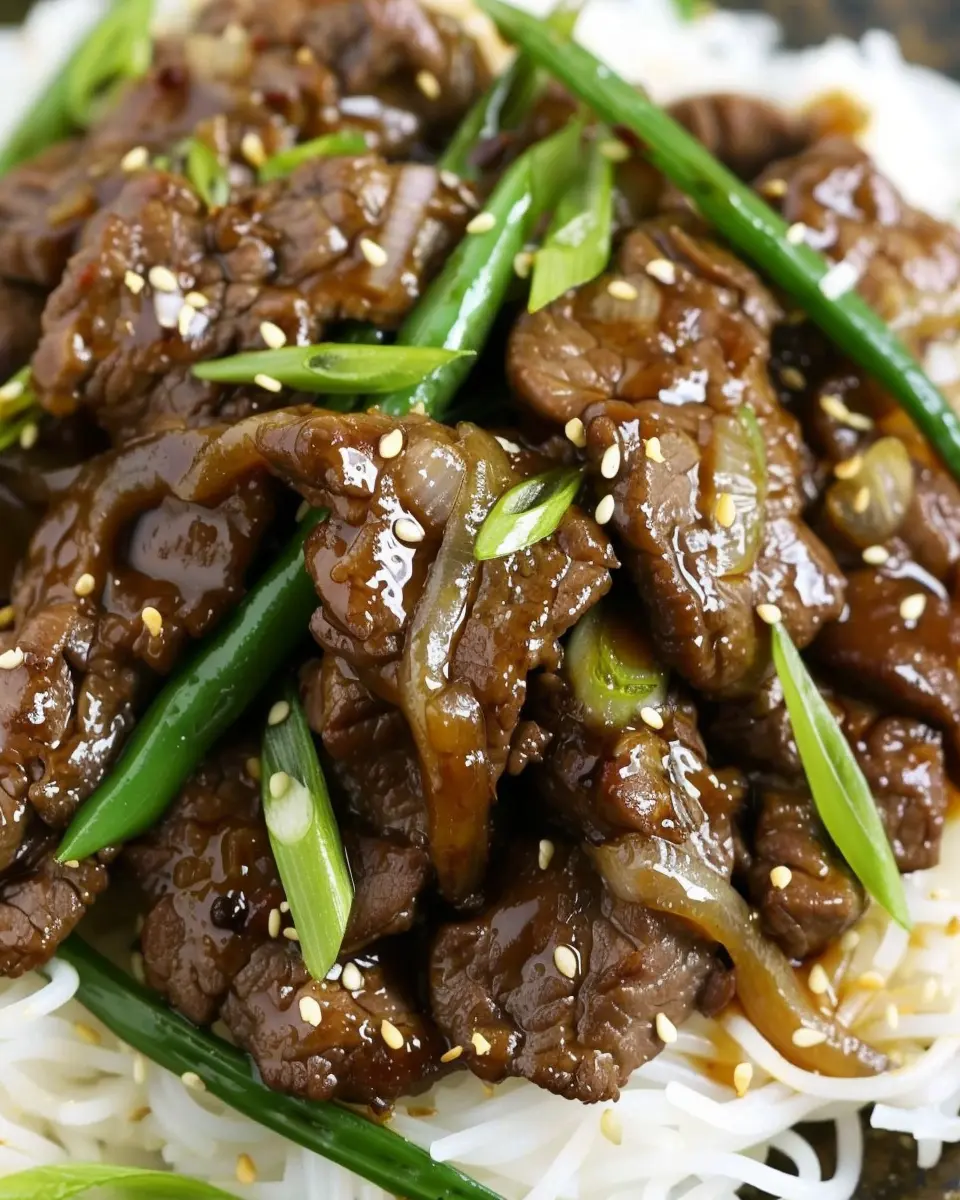
Mongolian beef, despite its name, isn’t actually from Mongolia. Instead, it’s a creation often found in Chinese-American restaurants, bringing together tender beef, scallions, and a sweet soy sauce base that makes it utterly irresistible. This dish is cherished for its simplicity and robust flavor, making it a favorite among busy professionals seeking a quick yet satisfying meal.
So, what is it about Mongolian beef that keeps people coming back? At its heart, this dish is all about balance. The sweetness from the soy sauce harmonizes beautifully with the saltiness, while the beef’s natural umami flavor shines through. It’s easy to prepare in under 30 minutes, which is a huge win for those juggling work and personal lives. If you’re interested in diving deeper into the origins and variations, consider checking out other sources like Serious Eats that provide rich context around Asian cuisine.
The charm of mongolian beef also lies in its versatility. You can easily customize it by adding vegetables like bell peppers or broccoli to boost the nutritional profile. Plus, there’s something deeply comforting about a dish that can be served over rice or noodles, embracing the heartiness we all crave after a long day.
Did you know that beef is high in protein, providing essential nutrients like iron and zinc? This makes Mongolian beef not only a delicious option but also a smart choice for those looking to maintain a balanced diet. Additionally, many cooks enjoy the creative process of experimenting with different marinades and side dishes, highlighting the adaptability of this beloved recipe.
If you’re curious about the cultural roots behind this dish, you might find it fascinating to explore how it’s become a staple in American-Chinese cuisine. While traditional Mongolian dishes differ markedly, the fusion of flavors in mongolian beef showcases the beautiful marriage of culinary influences.
So, whether you’re new to cooking or a seasoned pro, this dish offers an exciting way to bring a taste of Asian-inspired cuisine into your home. Get ready to indulge in a delightful escape with mongolian beef that’s just as satisfying to make as it is to eat!
Ingredients for Homemade Mongolian Beef
Essential ingredients for a perfect dish
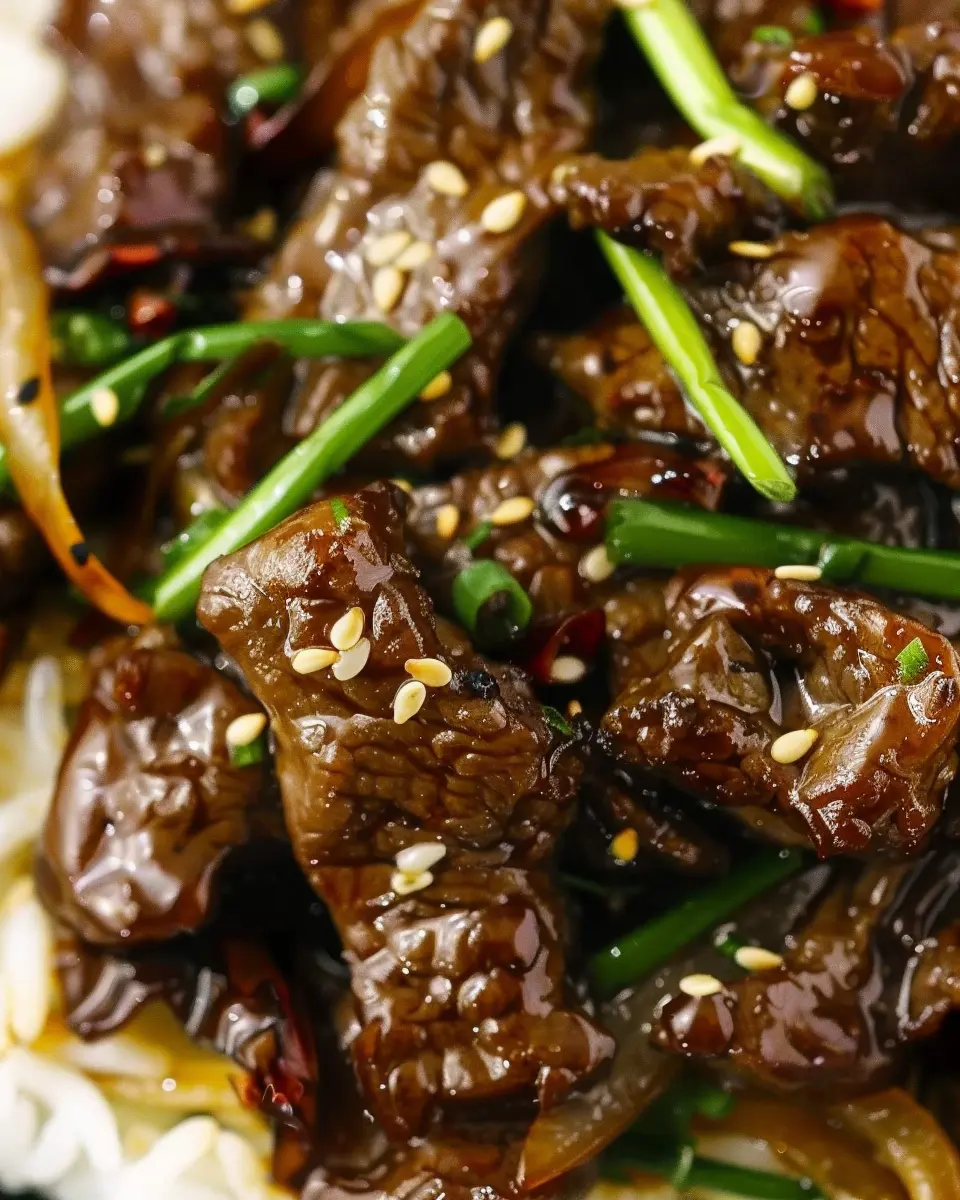
Creating a delicious Mongolian beef at home starts with some key ingredients that harmonize beautifully. Here’s what you’ll need:
- Beef: Flank steak or sirloin sliced thinly against the grain gives the right texture.
- Soy sauce: This is essential for that savory umami flavor.
- Brown sugar: A must-have for a touch of sweetness that balances the dish.
- Green onions: For garnish and a fresh crunch.
- Garlic: Fresh minced garlic brings aromatic depth.
- Ginger: Freshly grated ginger adds warmth and zest.
- Cornstarch: This helps to tenderize the beef and achieve a nice glaze.
Optional ingredients for variations
Feel free to get creative! Here are some optional ingredients that can elevate your Mongolian beef:
- Red pepper flakes: For a spicy kick.
- Sesame oil: Adds a nutty aroma and richness.
- Broccoli or bell peppers: For a veggie boost and extra color.
- Turkey bacon or Chicken ham: These can introduce a smoky flavor, giving a unique twist.
By mixing and matching these ingredients, you can customize your dish to suit your taste. Need some more inspiration? Check out this resource for ideas on how to elevate your Mongolian beef experience!
Preparing Mongolian Beef at Home
Mongolian beef is a delightful dish that marries the tender flavors of beef with a sweet and savory sauce. Cooking it at home is not only satisfying but allows you to adjust the flavors to your preference. Here’s a friendly guide to making your very own Mongolian beef that will impress your friends and family, thanks to easy-to-follow steps and a sprinkle of my culinary love.
Marinate the beef
Start by selecting a good cut of beef—flank steak or sirloin works wonders. To create that tender bite, thinly slice the beef against the grain. Now, let’s talk about marinating. This step is crucial for infusing flavor and ensuring softness. You’ll want to mix:
- 2 tablespoons of soy sauce
- 1 tablespoon of cornstarch
- 1 teaspoon of garlic powder
Toss the beef slices into this mixture, making sure every piece is coated. Let it sit for at least 20-30 minutes. This not only adds flavor but also creates a wonderful texture. If you’re pressed for time, even 10 minutes will do!
Prepare the sauce
While the beef is soaking up those delicious flavors, it’s the perfect time to whip up your sauce. Mongolian beef is known for its rich and slightly sweet sauce, so let’s get that going. In a bowl, combine:
- 1/2 cup of soy sauce
- 1/4 cup of brown sugar
- 1 tablespoon of minced garlic
- 1 tablespoon of grated ginger (fresh is ideal, but jarred works too)
Mix everything until the sugar dissolves. This sauce is what gives Mongolian beef its signature taste, drawing in that sweet-savory balance that will have everyone asking for seconds. For more tips on sauces, check out this sauce guide.
Cook the beef
Now, we’re ready to bring some heat! Heat a tablespoon of oil in a large skillet or wok over medium-high heat. Once the oil is shimmering, carefully add the marinated beef in batches. Searing the beef instead of overcrowding the pan allows it to caramelize, producing that sought-after flavor.
Cook the beef for about 2 to 3 minutes until it’s browned and cooked through, then remove it from the pan. Remember, the key here is that sizzle—so keep an eye on the heat to avoid steaming.
Stir-fry the veggies
With the beef set aside, it’s time to add some vibrant veggies. Traditionally, Mongolian beef goes well with green onions, bell peppers, and carrots. Slice these into bite-sized pieces for even cooking.
In the same pan, toss in another tablespoon of oil and stir-fry the vegetables until they’re just tender, about 3 to 4 minutes. You want them to retain a little crunch for texture. Plus, who doesn’t love a pop of color in their dish?
Combine and serve
Once your veggies are ready, it’s time to bring everything together. Return the beef to the pan and pour in that fabulous sauce. Toss everything together until the beef is coated and the sauce thickens slightly, about 2 more minutes.
For serving, plate your Mongolian beef over fluffy rice or noodles and garnish with extra green onions for that restaurant-quality touch. Enjoy it with your friends, and watch their faces light up with joy!
Whether you’re staying in for a cozy night or having friends over, this home-cooked Mongolian beef is sure to be a hit. It’s a delightful way to bring a taste of China to your kitchen, all while enjoying a fun cooking experience. Bon appétit!
Variations on Mongolian Beef
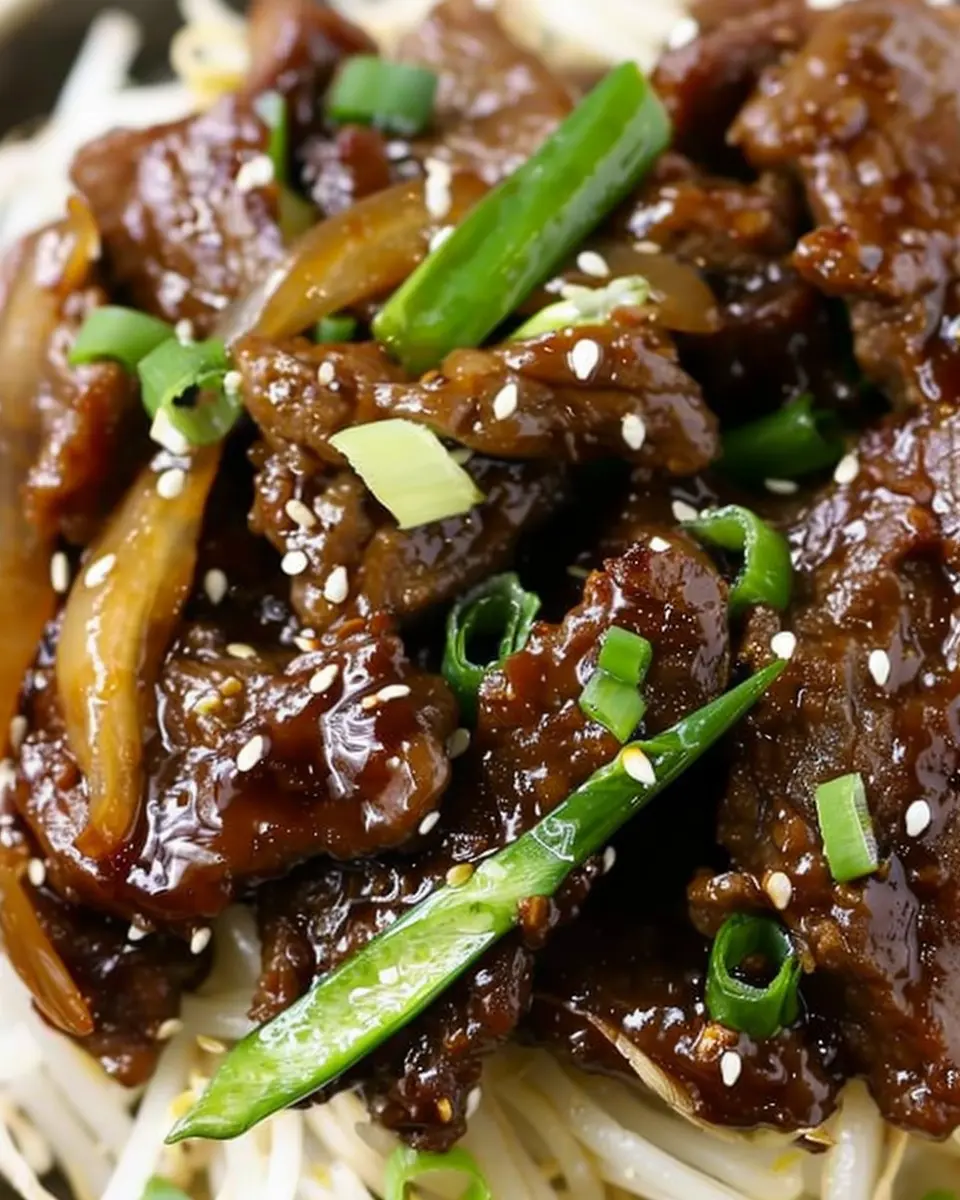
Mongolian beef is a delicious dish that invites creativity and personalization! If you’re looking to mix things up, here are some exciting variations that can cater to different dietary preferences and spice levels.
Spicy Mongolian Beef
For those who crave a kick, Spicy Mongolian Beef is a must-try. Simply add some red pepper flakes or a splash of sriracha to the marinade for an extra layer of heat. If you enjoy a sweeter contrast to the spice, a touch of honey can create a delightful balance. Customize the heat level to your liking; you can even substitute jalapeños for a fresh twist.
Vegetarian Mongolian Beef
Craving the umami depth of Mongolian beef but prefer a plant-based meal? Vegetarian Mongolian Beef can be equally satisfying. Opt for sliced tofu or seitan as your protein. Marinate it just like you would with beef for similar flavors. Add in some colorful veggies—like bell peppers and snap peas—to enhance texture and nutrition. For a recipe that stands out, check out delicious tofu options on thegreatist.com.
Customizable Ingredient Options
The beauty of Mongolian beef lies in its adaptability. Here are some customizable ingredient options to consider:
- Protein Swaps: Experiment with chicken, shrimp, or even turkey bacon if you’re feeling adventurous.
- Veggie Add-Ins: Consider adding carrots, broccoli, or even a sprinkle of green onions for color and flavor.
- Sauce Variations: For a different flavor profile, try using hoisin sauce for a sweeter, thicker finish.
Whether you’re going hot and spicy or sticking with a vegetarian approach, these variations ensure everyone at the table enjoys a taste of this beloved dish! Enjoy exploring flavors, and don’t hesitate to share your own creations!
Cooking Tips and Notes for Mongolian Beef
Tips for Tender Beef
To achieve the ultimate tender texture in your Mongolian beef, start with flank steak or sirloin, known for their rich flavor and lean cuts. Here’s how you can ensure tenderness:
- Slice Against the Grain: When cutting the beef, be sure to slice against the grain. This technique helps break down muscle fibers, resulting in a more tender bite.
- Marinate Wisely: A short marinade using soy sauce and a dash of baking soda can enhance tenderness. Just 30 minutes will do wonders!
Tricks for the Perfect Sauce Consistency
When it comes to the sauce for your Mongolian beef, you want it to be thick, luscious, and full of flavor. Follow these tips:
- Cornstarch Slurry: Mixing cornstarch with a little cold water and adding it gradually to the simmering sauce will help thicken it perfectly. Don’t rush; allow the sauce to bubble gently after adding the slurry.
- Adjust the Sweetness: If your sauce seems too sweet, a bit of soy sauce or even rice vinegar can balance the flavors nicely.
Cooking Mongolian beef is a delightful experience, and adding these tips will certainly elevate your dish! For further inspiration, check out this article on creating the ideal beef stir-fry.
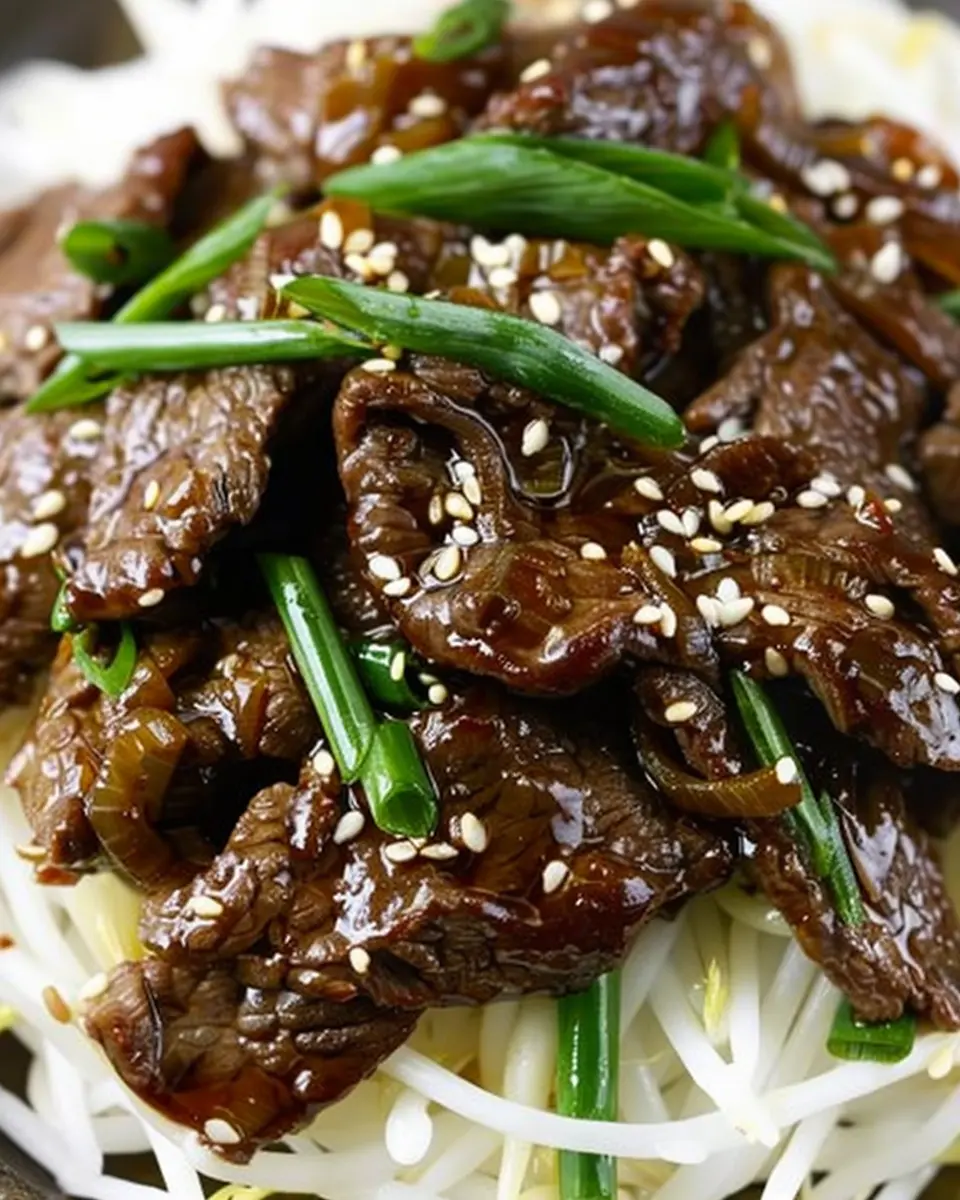
Serving Suggestions for Mongolian Beef
Ideal Side Dishes to Complement the Meal
Pairing your Mongolian beef with the right side dishes can elevate your dining experience to new heights. Think of serving it alongside steamed jasmine rice or fluffy white rice, which absorb the savory sauce beautifully. For a crunchy contrast, consider sautéed vegetables like bell peppers, broccoli, or snap peas.
Another excellent option is Asian-style noodles, tossed with a bit of sesame oil and green onions, adding texture and flavor. If you’re feeling adventurous, a refreshing cucumber salad dressed in rice vinegar and sesame seeds can offer a zesty palate cleanser between bites.
Presentation Tips for a Restaurant-Style Look
Creating a stunning presentation will impress your guests and make your Mongolian beef shine. Use a large, shallow bowl to showcase the dish, allowing the vibrant colors of the beef and sauce to take center stage. Garnish your creation with finely chopped green onions and a sprinkle of sesame seeds.
Consider serving the meal family-style, allowing everyone to help themselves. A beautiful centerpiece, like a small vase of fresh flowers, can also add a special touch to your dining table.
For more tips on meal pairing and presentation, check out The Spruce Eats for wonderful ideas!
Time Breakdown for Mongolian Beef
Preparation time
Preparing your Mongolian beef dish is a breeze, taking about 15 minutes. During this time, you can chop your vegetables, slice the beef, and whip up the sauce. Consider enlisting a friend to speed up prep time—it makes the cooking process more fun and efficient!
Cooking time
The actual cooking process is quite quick, taking around 10 to 15 minutes. Once the ingredients are ready, simply stir-fry them to perfectly combine all flavors. Cooking at high heat allows the beef to become tender while keeping the vegetables vibrant.
Total time
All in all, you’ll be looking at roughly 30 minutes from start to finish when preparing your delightful Mongolian beef. That’s less time than it takes to order takeout! Besides, making this meal from scratch means you can adjust flavors to match your taste buds perfectly. If you’re looking for a quick yet delicious dinner idea, this is definitely it! For more tips on cooking beef, check out this guide from Beef It’s What’s For Dinner.
Nutritional Facts for Mongolian Beef
Calories and Macronutrient Breakdown
When you indulge in a serving of Mongolian beef, you’re looking at approximately 300-400 calories, depending on how you prepare it. Here’s a simple macronutrient breakdown:
- Protein: Around 25g, thanks to the tender beef.
- Carbohydrates: Roughly 15g, mostly from the sweet soy sauce and any veggies included.
- Fat: About 20g, primarily from cooking oils and any added fats.
This dish provides a satisfying balance of nutrients, making it a delicious option for a quick weeknight meal.
Nutritional Benefits of Key Ingredients
The beauty of Mongolian beef lies in its wholesome ingredients, each offering some health benefits:
- Beef: A great source of iron and protein. Lean cuts can help fuel your workouts and recovery.
- Soy Sauce: While it adds flavor, it also contains antioxidants. Opt for low-sodium versions to keep salt levels in check.
- Ginger and Garlic: Both are known for their anti-inflammatory properties and can aid digestion.
Using quality ingredients not only enhances flavor but also contributes to a healthier meal. Interested in learning more about the benefits of beef? Check out resources like Meat & Livestock Australia for insights.
With mindful preparation, you can savor the rich flavors of Mongolian beef while keeping your meals balanced and nutritious.
FAQs about Mongolian Beef
How do I make it less sweet?
If you find that your Mongolian beef recipe turns out a bit sweeter than you’d like, there are some simple adjustments you can make! Consider reducing the amount of sugar or soy sauce you’re using. For a balanced flavor, you might also try adding a splash of vinegar or citrus juice, like lime or lemon, to brighten the dish and offset the sweetness. Another option is to include some chili flakes for a kick; the heat can effectively balance out the sweet notes!
Can I substitute the beef with another protein?
Absolutely! While Mongolian beef usually calls for tender strips of beef, you can easily switch it up. Chicken or turkey breast works well if you prefer something lighter; just keep an eye on the cooking time to ensure they don’t dry out. If you’re leaning towards plant-based proteins, tofu or tempeh marinated in the same sauce can be a delicious alternative. These substitutes allow you to enjoy the rich flavors of Mongolian beef while catering to different dietary preferences.
What’s the best way to store leftover Mongolian beef?
Storing leftover Mongolian beef is a breeze! Allow it to cool to room temperature before transferring it to an airtight container. It can be safely stored in the fridge for up to three days. For longer-term storage, consider freezing it — just be sure to use a freezer-safe container. When reheating, opt for a skillet or microwave, and add a splash of water or broth to help keep it moist. For tips on food safety and storage, you can check out resources from the USDA. Enjoy your meal prep!
By addressing these common questions, I hope to make your Mongolian beef experience even more enjoyable! If you have any other inquiries, feel free to drop a question in the comments!
Conclusion on Mongolian Beef
Mongolian beef truly stands out with its tender, savory slices paired with a rich sauce that marries sweet and savory flavors. This dish is not only delicious but also incredibly simple to prepare at home, making it perfect for busy weeknights or a cozy gathering with friends. I encourage you to try this recipe—you’ll be amazed at how easily you can create a restaurant-quality meal right in your own kitchen!
As you explore the world of Mongolian beef, consider adjusting the flavor profile to suit your taste preferences. For even more inspiration, check out The Woks of Life for tips on cooking methods and variations. Dive into this culinary adventure—you won’t regret it!
PrintMongolian Beef: Easy Recipe for a Delicious Home-Cooked Meal
Enjoy a simple yet delicious recipe for Mongolian Beef that brings the flavors of the restaurant to your home.
- Prep Time: 10 minutes
- Cook Time: 10 minutes
- Total Time: 20 minutes
- Yield: 4 servings 1x
- Category: Main Course
- Method: Stovetop
- Cuisine: Asian
- Diet: Gluten-Free
Ingredients
- 1 pound flank steak, sliced thin
- 1/4 cup soy sauce
- 2 tablespoons brown sugar
- 1 tablespoon cornstarch
- 2 tablespoons vegetable oil
- 3 green onions, chopped
- 2 cloves garlic, minced
- 1/2 teaspoon ginger, grated
Instructions
- In a bowl, combine soy sauce, brown sugar, cornstarch, and mix well.
- Add the sliced flank steak to the marinade and let it sit for at least 30 minutes.
- Heat the vegetable oil in a large skillet over medium-high heat.
- Add the sliced steak and cook until browned, around 3-4 minutes.
- Add the garlic and ginger, and cook for an additional minute.
- Stir in the chopped green onions and cook for another minute.
- Serve over rice or noodles.
Notes
- For extra flavor, let the beef marinate overnight.
- Serve with steamed vegetables for a complete meal.
Nutrition
- Serving Size: 1 cup
- Calories: 400
- Sugar: 5 grams
- Sodium: 500 milligrams
- Fat: 20 grams
- Saturated Fat: 3 grams
- Unsaturated Fat: 15 grams
- Trans Fat: 0 grams
- Carbohydrates: 20 grams
- Fiber: 1 gram
- Protein: 30 grams
- Cholesterol: 90 milligrams
Keywords: Mongolian Beef, beef recipe, easy dinner, home-cooked meal